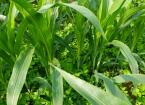
Horticultural Diversification for Biodiversity
This module will explore key diversification strategies for use in horticulture that specifically support biodiversity.


This module will explore key diversification strategies for use in horticulture that specifically support biodiversity.
The horticultural sector relies heavily on water from many sources. By using a combination of sustainable methods, monitoring, benchmarking and good planning, growers can manage water usage and set achievable KPIs to support efficient and cost-effective water management.
This course has been designed to provide a comprehensive introduction into what green manures and cover crops can do to improve soils. Covering the roles these crops can play in preventing soil erosion, improving soil organic matter, managing nutrients, enhancing...
Are you a horticultural business? Farming Connect can support you to complete UA4 (CPD) of the Sustainable Farming Scheme.
For horticulture farm businesses joining the SFS in 2026, the following e-learning modules completed from summer 2025 will count towards the...
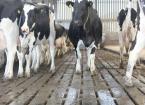
Cattle lameness is one of the most significant welfare and productivity issues in dairy farming, in this unit, learn how to identify and address lameness in cattle.
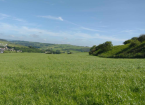
In this course you will learn about the importance of a good grazing system and about the most common types in use in Wales. The benefits and drawbacks of each grazing approach will be discussed.
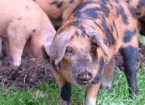
Parasites are a hazard for all pigs but those kept in more intensive conditions and in permanently occupied areas that are never washed are more likely to build-up significant worm populations that can become a burden to the animals.
Avian influenza (AI) or bird flu is a highly contagious viral disease of birds. It affects both wild and domestic birds and some strains are more pathogenic than others, resulting in a range of symptoms from very mild respiratory signs...
The UK Energy Grid is a high-voltage powered transmission network that serves Great Britain. Owned by National Grid, this network serves to connect major power stations and 225,000 substations via 220,000km overhead lines and underground power cables.